


Most of us keep our mattresses far longer than we should. It is one of those home essentials that quietly ages without drawing attention to itself. We get used to the lumps, the dips, the occasional stiffness, and the slow decline in sleep quality. Over time, the changes become so gradual that we barely notice them. But our bodies do.
A mattress is not just another piece of furniture. It is where your spine rests, where your muscles unwind, and where your body repairs itself every night. When the mattress ages, all of these processes get affected. So the question becomes important. How long should a good mattress actually last, and how do you know when it’s time to upgrade?
Let’s break it down.
How long does a mattress last? It depends on what it’s made of.
Different mattress materials age differently. Some stay supportive for decades, while others break down much sooner.
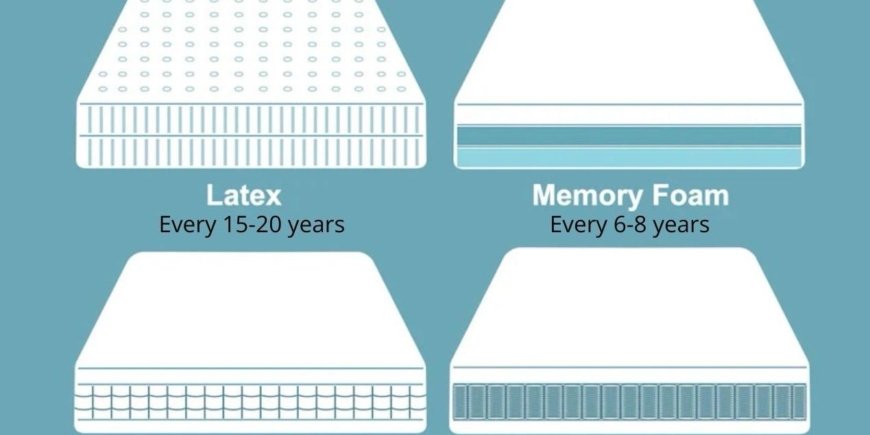
Organic latex: 15 to 20 years
Latex is one of the most durable materials available for mattresses. Latex is naturally elastic, resistant to sagging, and less prone to microbial buildup.
PU Foam/Memory foam: 6 to 8 years
Foam cells break down with heat and pressure, leading to quicker sagging and loss of support.
Spring: 7 to 10 years
The coils weaken, the padding compresses, and the motion transfer increases with usage.
These numbers are averages. Climate, body weight, usage patterns, and maintenance can shift the timeline by a few years either way.
10 signs it’s time to replace your mattress
Even if your mattress still “looks fine,” your body may already be feeling the decline. Mattresses age slowly on the outside but much faster on the inside. Here are the clearest signs it’s time to upgrade.
1. There’s a sagging dip more than an inch deep
Sagging is the single most reliable sign of mattress wear. A small dip might seem harmless, but even a one-inch depression can tilt your spine out of alignment. Your muscles then work all night to compensate, which leads to stiffness, restlessness, and disrupted sleep cycles. Sagging also increases pressure on your hips and shoulders, making it harder to stay comfortable in any position.
2. You wake up with back, neck, or shoulder stiffness
If your body feels tight or sore in the morning but loosens up after you move around, your mattress is likely the cause. A worn-out mattress stops supporting your natural posture, forcing your spine into awkward angles while you sleep. Over time, this not only disrupts deep sleep but can also contribute to real posture issues.
3. You feel hot, sweaty, or uncomfortable at night
Older foam becomes denser and less breathable. As airflow decreases, heat gets trapped close to your body. This pushes you out of deep sleep and into lighter stages, even if you don’t fully wake up. Overheating is one of the biggest yet most ignored signs that a mattress is aging internally.
4. Your allergies flare up at night or early morning
A mattress accumulates sweat, dead skin cells, dust, and humidity over the years. This creates the perfect environment for dust mites and microbes. If you wake up with a blocked nose, itchy eyes, or unexplained irritation, your mattress may be the cause. For many sleepers, nighttime allergies disappear immediately after switching to a new mattress.
5. The springs make noise or feel uneven
On spring mattresses, squeaking or clicking noises mean the metal coils have weakened. You might also feel sharp pressure points where springs push upward. This is more than a comfort issue. It affects how evenly your weight is distributed and increases tossing and turning throughout the night.
6. You notice lumps, bumps, or uneven surface areas
Lumps typically occur when foam layers begin to break down internally or when cotton or polyester fillings shift over time. An uneven surface forces your body into unnatural curves, reducing sleep efficiency and increasing fatigue the next day. Even if you “get used to it,” your body never truly rests well on an uneven mattress.
7. The mattress has a persistent smell
Old foam undergoes oxidation, a process where chemicals break down when exposed to air, heat, and moisture. This creates a noticeable chemical or musty smell. If your mattress gives off an odor even after cleaning, the internal layers are likely degrading. A mattress should never smell unpleasant unless it’s past its prime.
8. Dust mite activity has increased significantly
Over time, mattresses collect moisture from sweat and humidity. Dust mites thrive in this environment, especially in mattresses older than eight years. If you’re experiencing more nighttime sneezing, throat dryness, or skin irritation, your mattress may be hosting more allergens than you think.
9. You sleep better on hotel beds or other mattresses
Many people realise their mattress is failing only after sleeping elsewhere. If hotel mattresses feel more supportive, cooler, or simply “better,” that contrast is telling you something important. You should feel your best in your own bed, not someone else’s.
10. Your mattress is older than 8 to 10 years
Even if it still feels okay, internal materials fatigue over time. Foam loses elasticity, springs weaken, and cushioning becomes less responsive. The industry standard recommends 8–10 years for most mattresses, as this is when support and hygiene decline enough to affect your health. Latex is the only major exception, but for foam, springs, and hybrids, this timeline applies strongly.
Why do mattresses age faster than we expect
Your mattress silently absorbs more wear and tear than you think. The average person sweats almost half a litre per night, and over the years, this moisture breaks down foam, weakens materials, and encourages microbial growth. Heat, friction, and body weight compress the same zones night after night. Couples usually wear out mattresses faster because pressure is concentrated in shared sleeping areas.
Foam also reacts with oxygen over time. This oxidation makes it softer, less resilient, and more prone to sagging. Even if a mattress looks fine on the outside, the internal structure may already be compromised.
What happens to your sleep when a mattress wears out
Aging mattresses do not just lose comfort. They change the way you sleep.
Reduced deep sleep:
Sagging forces your body to constantly adjust position, interrupting restorative sleep cycles.
More tossing and turning:
Uneven surfaces create pressure points that make it harder for your muscles to relax.
Increased heat retention:
Old materials trap more heat, which leads to frequent awakenings.
Lower immune recovery:
Poor sleep weakens the immune system, affects mood, and reduces daytime energy.
Often, people assume they are stressed or overtired when the real culprit is an aging mattress.
Can you extend the life of your mattress?
Yes, but only to a point. With a few simple habits, you can slow down everyday wear and help your mattress stay supportive for longer:
- Rotate the mattress every 3 to 6 months
- Use a high quality mattress protector
- Make sure pets and kids don’t jump on it
- Ensure proper ventilation around the bed frame
These steps help, but they don’t stop aging altogether.
The bottom line
A mattress has a bigger impact on sleep, posture, and daily energy than most people realise. A mattress that has lost its structure cannot provide your body with the support it needs, regardless of how good your sleep routine is. If you’re waking up stiff, hot, tired, or more restless than usual, your mattress may be the quiet reason behind it.
Replacing an old mattress is not just a comfort upgrade, it is one of the simplest ways to enhance the quality of your sleep and overall life. And when you choose a durable and premium material like organic latex, you’re investing in many years of deeper, healthier rest.
There are no comments