


We often blame stress, pollution, or long workdays for the way our skin looks and how tired we feel. We try new diets, invest in expensive skincare, or drink more coffee to stay alert. But very few of us ever look at the one place where we spend seven to nine hours each night. Our mattress.
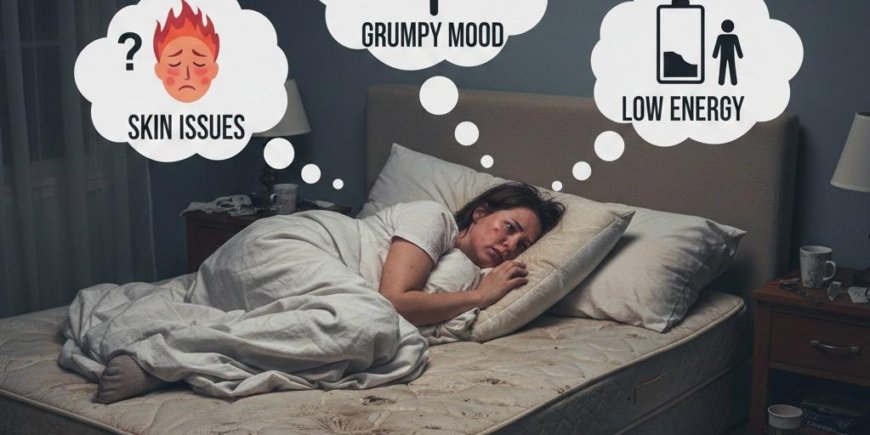
A mattress silently shapes how we sleep, how our hormones behave, how our skin heals, how our mood stabilises, and even how refreshed we feel the next morning. When a mattress ages, traps heat, collects allergens, or disrupts sleep, the effects are not just visible in our bodies but also on our faces.
Here’s how your mattress may be affecting your skin, energy, and emotional balance far more than you think.
1. Poor sleep quality leads to hormonal imbalance
When we sleep poorly, the body produces more cortisol, the stress hormone. Elevated cortisol triggers excess oil production, slows healing, and increases inflammation, a perfect recipe for breakouts and dull skin. Low-quality sleep also reduces melatonin, the hormone that helps repair skin cells overnight.
Research shows that individuals who sleep fewer than six hours per night have slower collagen regeneration and higher inflammatory markers, such as IL-6, which can exacerbate acne, redness, and sensitivity.
This imbalance doesn’t just affect skin. High cortisol levels also make us more irritable, reactive, and easily overwhelmed the next day.
A supportive, cool, breathable mattress plays a direct role in regulating these nighttime hormonal cycles.
2. Dust mites, microbes, and sweat build up inside old mattresses
Every night, our mattress absorbs sweat, dead skin cells, humidity, and natural oils. Over months and years, this turns the mattress into an environment where dust mites, bacteria, and yeast thrive.
Dust mite droppings can irritate sensitive skin, cause congestion, and worsen eczema. Warm, humid mattress foam also encourages the growth of Malassezia yeast, a common cause of fungal acne.
Bacteria like Staph aureus, which often flare eczema, also grow faster in older, damp mattresses.
On average, mattresses accumulate nearly two kilograms of dead skin over a decade. Synthetic foams trap this moisture for hours, creating a cycle of microbial growth that directly affects the skin you rest on every night.
3. VOCs from synthetic mattresses can irritate your skin and lower your energy
Foam mattresses made from petrochemicals release volatile organic compounds (VOCs). These gases, including benzene, toluene, and formaldehyde, can irritate the skin and sinuses, especially in people with sensitivity.
VOCs mix with humidity and settle onto pillowcases and bed sheets, increasing direct contact with the skin. Long-term exposure is linked to headaches, morning grogginess, and persistent low energy.
Some VOCs even disrupt normal melatonin signals, subtly affecting how deeply we sleep.
If you often wake up puffy or congested, your mattress may be contributing more than you realize.
4. Overheating at night disrupts sleep cycles, damages mood, and triggers breakouts
When your mattress traps heat, your body struggles to maintain a comfortable temperature. This causes sweating, which mixes with bacteria and clogs pores. But the impact doesn’t stop at skin.
Heat spikes push the body out of deep sleep and REM sleep, the two stages responsible for emotional reset, memory processing, and hormonal balance. Poor REM sleep alters neurotransmitters, such as serotonin, which affects mood, motivation, and stress management the following day.
Overheating also slows collagen repair and increases water loss through the skin, leaving your complexion dehydrated by morning.
Foam mattresses are notorious for heat retention, especially as they age and lose breathability.
5. Poor alignment affects circulation, reducing skin glow and increasing puffiness
A sagging or uneven mattress doesn’t just cause back discomfort. It affects circulation. When blood flow is restricted during sleep, less oxygen reaches the skin’s surface. This slows nutrient delivery and repair, leading to a tired, dull appearance.
Uneven surfaces also create friction and pressure lines on the face, contributing to premature wrinkles and morning creases. For some, poor alignment increases jaw tension, which may worsen stress-related acne along the jawline.
A properly supportive mattress allows muscles to relax fully and maintains healthy circulation, providing the skin with the oxygen it needs to heal.
6. Interrupted sleep slows your body’s overnight detox, leading to fatigue and dull skin
During deep sleep, the brain’s glymphatic system flushes out toxins, waste proteins, and metabolic buildup. When sleep is fragmented, this detox system doesn’t function efficiently.
The result? Morning dullness, under-eye puffiness, foggy thinking, and lower energy.
Interrupted sleep also increases oxidative stress, one of the biggest contributors to premature aging.
Your mattress affects how often you wake up due to factors such as heat, discomfort, sagging, allergens, or noise. Each disruption reduces the quality of this essential nighttime detox.
7. Old mattresses trap pollution particles, irritants, and microplastics
Urban homes are filled with airborne pollutants, including dust, pollen, microplastics, and particulate matter. Over time, these settle into mattresses and fabrics.
When your face spends hours against that surface, irritation becomes more likely.
Exposure to pollution increases pigmentation, inflammation, and sensitivity, particularly in individuals with acne-prone or reactive skin.
A fresh, dense, breathable mattress can create a cleaner sleep environment and reduce exposure to these hidden irritants.
8. Foam breakdown releases particles that irritate the skin and affect breathing
As synthetic foam ages, it naturally breaks down. This releases tiny particles that mix with moisture and end up on the skin or in the air you breathe. For those with sensitive skin, this can worsen redness, irritation, and morning congestion.
It’s one of the reasons older mattresses often feel dusty, even when they are regularly cleaned.
9. Organic mattresses naturally support clearer skin, better mood, and higher daytime energy
Organic latex and natural fibers combine to create a clean, breathable, and hypoallergenic sleep environment.
- Latex is naturally antimicrobial and resists dust mites.
- Wool regulates humidity and prevents bacterial overgrowth.
- Organic cotton allows airflow and reduces sweating.
- Natural materials do not release VOCs.
- Proper support improves alignment and circulation.
All of this contributes directly to healthier skin, calmer mornings, a more stable mood, and steady daily energy.
Final Thoughts
Your mattress doesn’t just determine how comfortably you sleep. It determines how your skin heals, how your hormones function, how your mood resets, and how much energy you wake up with.
A clean, cool, supportive, hypoallergenic mattress is one of the most powerful wellness decisions you can make. It nurtures your body for one-third of your life, and it shows in every part of your day.
There are no comments